What is in an Energy Drink? Ingredients, caffeine and more!
Caffeine, taurine, vitamins, sugar – what is actually inside an energy drink? A simple guide to energy drink ingredients, labels and how to choose the right can.

Energy drinks have become a popular choice for people looking for a convenient way to add energy to their day. But what exactly is inside an energy drink? And what do ingredients such as caffeine, taurine, vitamins and sugar actually do?
Whether you are new to energy drinks or simply want to understand what you are drinking, knowing the ingredients can help you make more informed choices.
In this guide, we take a closer look at what is in an energy drink, how energy drinks work, the role of caffeine, how they differ from other beverages and how to read an energy drink label.
1. How do Energy Drinks work?
Energy drinks are beverages formulated with ingredients that can help increase alertness and reduce feelings of tiredness. Their effects mainly come from caffeine, although the exact ingredients and their amounts vary between products.
When you drink an energy drink containing caffeine, the caffeine is absorbed into your bloodstream and reaches your brain. There, it interacts with adenosine receptors. Adenosine is a compound involved in the feeling of tiredness that builds up throughout the day.
By interacting with these receptors, caffeine can help you feel more awake and alert.
Energy drinks can also contain other ingredients, such as taurine, B vitamins, carbohydrates and flavourings. Their specific role depends on the formulation of the drink.
It is important to remember that energy drinks are not a substitute for sleep, rest or a balanced diet. They are beverages designed for particular moments when people want an energy boost or greater alertness.
2. The role of caffeine in Energy Drinks
Caffeine is one of the key ingredients found in many energy drinks.
It is a naturally occurring stimulant found in a number of plants, including coffee beans, tea leaves and cacao beans. It is also commonly added to beverages such as energy drinks.
The amount of caffeine in an energy drink can vary depending on the brand, product and serving size. This is why checking the label is important.
Caffeine is best known for its effect on alertness and attention. It can make you feel more awake, which is one of the main reasons people choose caffeinated beverages.
Different people can also respond differently to caffeine. Factors such as individual sensitivity, body size, how regularly someone consumes caffeine and the time of day can influence how it feels.
If you are comparing energy drinks, looking at the caffeine content per serving is one of the easiest ways to understand how products differ.
3. How are Energy Drinks different from other beverages?
Energy drinks are part of a much broader category of beverages, but they have a specific formulation designed around energy and alertness.
Energy drinks vs. coffee
Coffee naturally contains caffeine, while energy drinks typically combine caffeine with other ingredients and are available in a wide range of flavours and formats.
The caffeine content can vary significantly between different coffees and energy drinks, so checking the serving size and label is the best way to compare them.
Energy drinks vs. soft drinks
Traditional soft drinks are generally designed primarily around taste and refreshment. Some contain caffeine, but many do not.
Energy drinks, on the other hand, are formulated specifically around ingredients associated with energy and alertness, most notably caffeine.
Energy drinks vs. sports drinks
Sports drinks and energy drinks serve different purposes.
Sports drinks are generally formulated to provide fluids and electrolytes, particularly during physical activity. Energy drinks are formulated around ingredients such as caffeine and are intended for moments when people want increased alertness.
Understanding the difference between these beverage categories makes it easier to choose the right drink for the occasion.
4. When do people drink Energy Drinks?

There is no single situation associated with energy drinks. People choose them for many different moments throughout the day.
Some common occasions include:
- Long days – when there is a lot to get done and staying alert matters.
- Gaming sessions – when players want to stay focused and engaged.
- Studying or working – when concentration and alertness are important.
- Travel – particularly during long journeys or busy travel days.
- Music, events and party – when people want to keep the energy going.
- Social occasions – when an energy drink fits the atmosphere.
- Everyday moments – simply because they enjoy the taste and format.
The right occasion depends on the individual and the product. Whatever the moment, it is worth checking the caffeine content and following the product’s serving recommendations.
5. How to read an Energy Drink label
Understanding an energy drink label is one of the simplest ways to know what you are choosing.
Here are the key things to look for:
Caffeine content
Check how much caffeine the drink contains per 100 ml and per serving or can, where provided. This is particularly useful when comparing different products.
Serving size
A can may contain one serving or more than one serving. Always check the serving information rather than assuming that the whole can represents a single serving.
Sugar and carbohydrates
The nutrition table will tell you how much sugar and carbohydrate the beverage contains. If you are looking for a sugar-free option, check whether the product is specifically labelled as sugar-free.
Ingredients list
The ingredients list shows what has been used to make the beverage. Ingredients are generally listed in descending order by weight, according to applicable food-labelling rules.
Vitamins and other ingredients
Some energy drinks contain B vitamins, taurine or other ingredients. Their presence and amount will vary depending on the product.
Recommended consumption information
Always check the information provided on the packaging, including any recommended serving or consumption guidance.
Tip: When comparing two energy drinks, look at the same measurement — for example, caffeine per 100 ml — rather than comparing the numbers on differently sized cans.
6. Energy Drinks: what to know before you choose one
There is no single energy drink that is right for everyone. The best choice depends on your preferences, the occasion and what you want from the product.
Before choosing an energy drink, consider:
1. Caffeine content
Check how much caffeine is in the serving or can.
2. Sugar content
If sugar intake is important to you, compare the nutritional information and consider a sugar-free option.
3. Flavour
Energy drinks come in a wide variety of flavours, from classic citrus profiles to tropical fruit combinations.
4. Can size
Different formats contain different amounts of liquid, so always consider the serving size when comparing products.
5. The occasion
Your choice might be different for a gaming session, a long journey, a music event or simply a chilled moment with friends.
6. Your personal caffeine intake
Remember that caffeine can also come from coffee, tea, cola, chocolate and other products. Consider your overall caffeine consumption throughout the day.
Most importantly, always read the label and follow the manufacturer’s consumption guidance.
7. BUM BUM Energy Drink – discover our flavours

At BUM BUM Energy Drink, we believe energy should come with great taste and plenty of personality.
Our range brings together different flavours and formats designed for different tastes and different moments.
From the original Classic to refreshing Lemon, fruity Peach, and Sugar Free, there is a BUM BUM flavour for every kind of vibe.
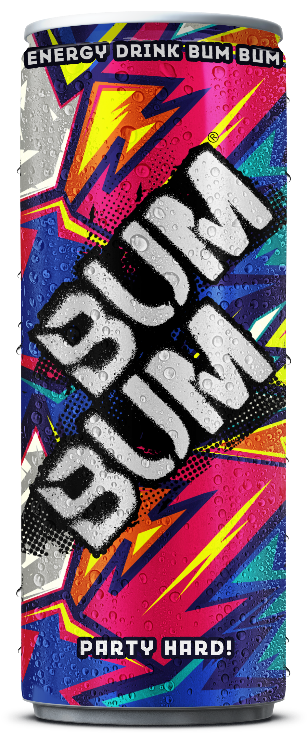
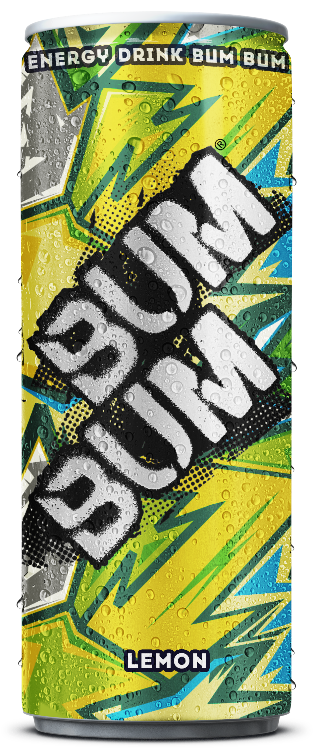
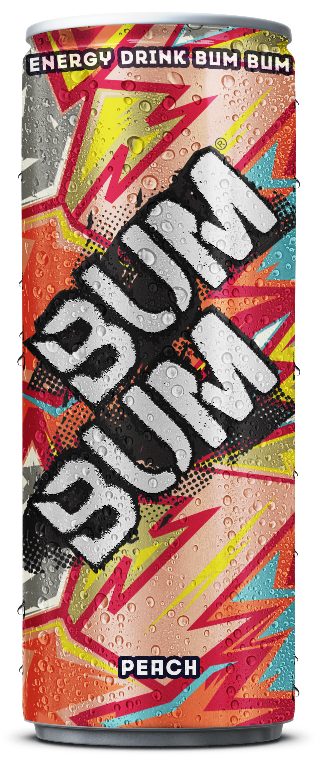
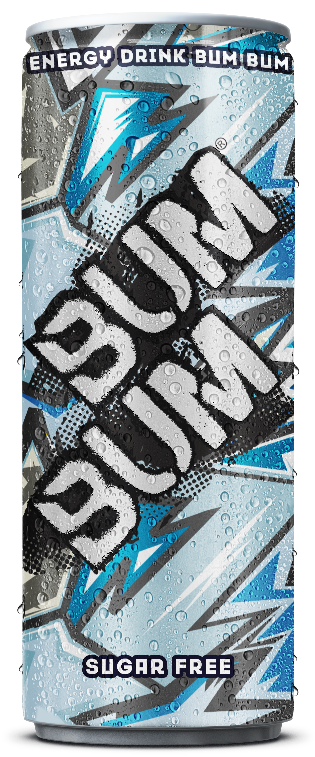
Whether your day starts early, your night goes late or you simply want to turn the energy up a little, choose the flavour that fits your moment.
Explore BUM BUM Energy Drink and find your favourite.
So, what is in an energy drink?
The answer depends on the product, but common ingredients include caffeine, water, flavourings, sweeteners or sugar, and sometimes taurine, vitamins and other functional ingredients.
Understanding these ingredients and learning how to read an energy drink label makes it easier to compare products and choose one that fits your preferences.
And when it comes to BUM BUM, there is one more thing to consider: which flavour matches your energy?